Pay in installments of $5.62 with
 ,
,
 and
and

Shipping Estimate
USA
- USA
- CAN
- USA
- CAN
Ships within 48 hours · Estimated delivery Jul 3 - Jul 8
 Promo Codes Available:
For Your Every Summer RSVP, with Code: SUMMER15
Description
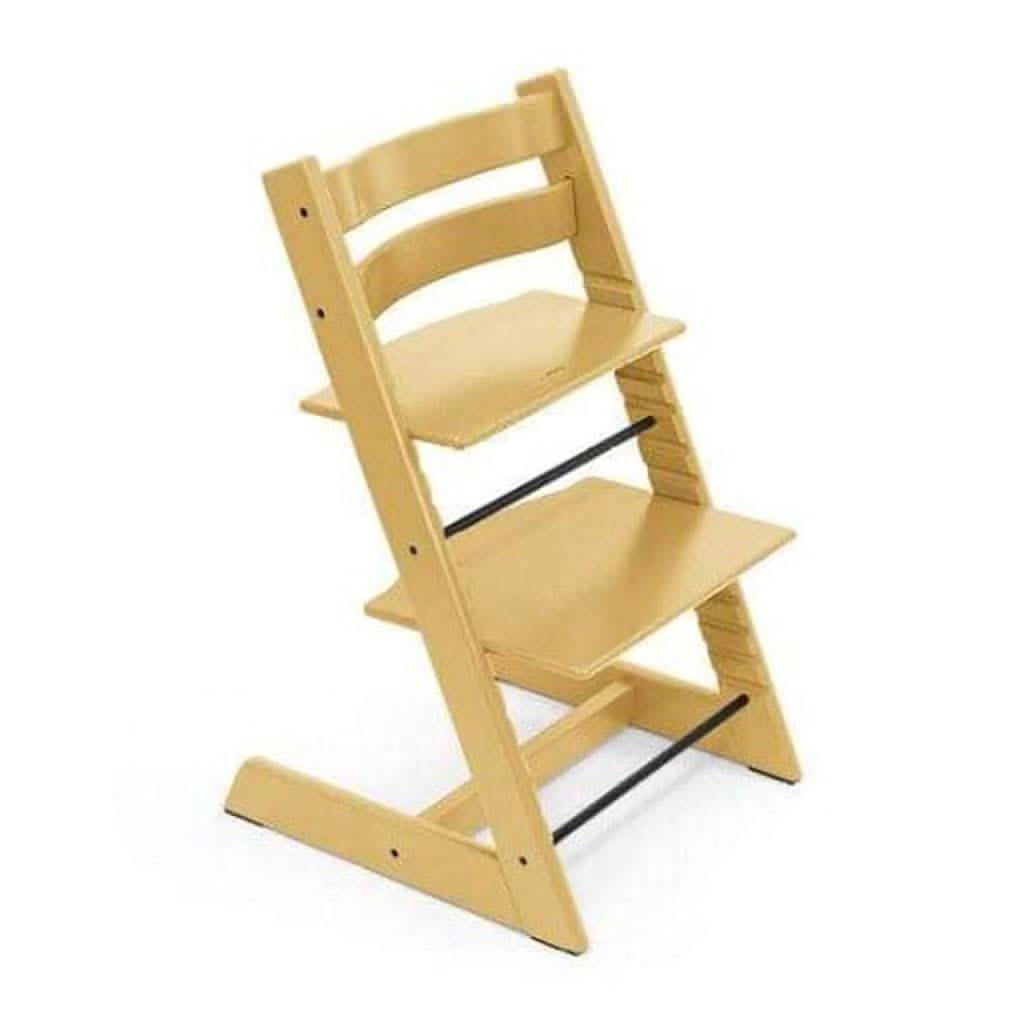
stokke adult chair STOKKE Tripp Trapp High ChairThe iconic Stokke Tripp Trapp High Chair is the best heirloom quality, growth stage dining chair for families seeking a single seat that genuinely grows from newborn through adulthood without replacement. Shop the legendary chair that was the first of its kind, designed by Peter Opsvik in 1972 and refined over 50+ years of Nordic design excellence. Its intelligent, ergonomic design brings your baby to the dining table at your height for family bonding
The iconic Stokke Tripp Trapp High Chair is the best heirloom-quality, growth-stage dining chair for families seeking a single seat that genuinely grows from newborn through adulthood without replacement. Shop the legendary chair that was the first of its kind, designed by Peter Opsvik in 1972 and refined over 50+ years of Nordic design excellence. Its intelligent, ergonomic design brings your baby to the dining table at your height for family bonding from birth, then seamlessly transitions through high chair, toddler chair, and adult seating stages using simple adjustable seat and footplate mechanics. Made to fit right up to your dining table to bring your baby into the heart of your family, allowing your little one to eat, learn, play, and develop alongside you from day one. Compare the Stokke Tripp Trapp to the Inglesina Fast Table Chair: both prioritize family inclusion and Montessori-inspired dining, but the Tripp Trapp is a full-size heirloom chair that grows with your child from birth through adulthood (newborn set, baby set, then standalone chair stages), supports up to 242 lbs, features fully adjustable seat and footplate for ergonomic support at any age, comes in 15+ colors and Beech/Oak/Ash wood finishes, includes 7-year warranty on wood components, water-based non-toxic paint, and is produced in the European Union with responsible forestry. Choose Tripp Trapp if you want a lifetime investment piece and multi-generational seating; choose Inglesina Fast Table if you prioritize portability and compact dining. With a variety of available accessories, this iconic chair provides comfort and ergonomics for use from birth through adulthood without ever needing replacement.
With a variety of available accessories including the Newborn Set, Baby Set, and cushioning options, this iconic chair provides comfort and ergonomics for use from birth through adulthood. Stokke Tripp Trapp chairs are available in a variety of colors and in your choice of Beech, Oak, or Ash wood finishes, making it easy to match any dining room aesthetic or nursery décor. The unique adjustability of the seat and footplate ensures both back and feet support for any age—from newborns cradled in the Newborn Set to adults using the fully mature chair. The stable footrest supports your child at every stage and provides comfort during extended mealtimes and family dining. The solid construction can hold up to 242 lbs, supporting parents, older siblings, and multi-generational use. All wood and wood-based parts are produced in the European Union and required to meet E.U. Timber Regulations, supporting responsible forestry and sustainable wood industries. Water-based, non-toxic paint ensures safety for babies who mouth the chair during teething. The chair is free from bisphenol and phthalates, with no harmful substances throughout. The extended 7-year warranty on wooden components provides confidence in durability and long-term investment value. Easy to clean spills with a dampened cloth—no special materials or complicated maintenance required. The classic, iconic design will never go out of style, making it an heirloom piece that passes through generations of families.
Stokke Tripp Trapp High Chair Features:
-
Brings your baby to the dining table: Positions your child at family table height for family bonding, eye contact, and inclusive meals from birth
-
Unique and highly adjustable seat and footplate: Ensures both back and feet support for any age—from newborn through adulthood without replacement
-
Three growth stages with accessories: Newborn Set (from birth), Baby Set (6+ months), and mature chair (childhood through adulthood)
-
Iconic 50+ year design: Original design by Peter Opsvik in 1972; refined and tested through generations of families worldwide
-
15+ color options: Available in Natural, Warm Red, Black, Whitewash, Walnut Brown, White, Storm Grey, Hazy Grey, Moss Green, Soft Mint, Serene Pink, Oak Natural, Oak Brown, Sunflower Yellow, Oak Greywash
-
Three wood finish choices: Beech, Oak, or Ash wood in natural and stained finishes to match any home décor
-
Stable footrest: Supports your child at every stage and provides comfort during extended mealtimes and family dining
-
Solid construction: Built to hold up to 242 lbs, supporting parents, older siblings, teens, and adults through multi-generational use
-
European Union production: All wood and wood-based parts meet E.U. Timber Regulations, supporting responsible forestry and sustainable industries
-
Water-based, non-toxic paint: Safe for babies and young children who mouth the chair during teething and exploration
-
No harmful substances: Free from bisphenol and phthalates throughout design and materials
-
7-year warranty on wood components: Extended warranty provides confidence in durability and long-term investment value
-
Easy maintenance: Simple cleaning with a dampened cloth—no special materials, finishes, or complicated maintenance required
-
Timeless aesthetic: Classic design that complements any dining room and never goes out of style across decades
Growth Stages: Birth Through Adulthood
Newborn Set (From Birth): The natural place for your newborn, the Newborn Set is designed to give your baby the interaction they love from birth. Cozy, comfortable, and ergonomic, it lifts your newborn up to your height at the table. This enables eye contact and a great opportunity to spend quality time with the family during meals, learning, and bonding.
Baby Set (6+ Months as High Chair): At around six to nine months, your child will be able to begin sitting upright unaided. The Tripp Trapp Baby Set gently supports your baby to comfortably sit at the table while you manage mealtimes. When your child is a toddler and can confidently climb in and out of their chair on their own, you can remove the Baby Set and transition to the mature chair.
Chair (From Child Through Adulthood): What's special about a chair that grows with you? It stays with you. Made from high-quality European beech, oak, or ash wood, the iconic Tripp Trapp chair is strong, stylish, and durable. Fully adjustable, it provides a comfortable seat that can be used as a high chair for young children, a chair for older children and teens, and seamlessly transitions into an elegant dining chair for adults and multi-generational family gatherings. Many families discover their Tripp Trapp from childhood is still serving them decades later at their own family dinner table.
Safety and Sustainability:
-
Water-based, non-toxic paint: Safe for teething babies and young children exploring their environment
-
Free from bisphenol and phthalates: No harmful substances throughout materials and construction
-
Stable, balanced footrest: Prevents tipping and provides secure support at every growth stage
-
E.U. Timber Regulations compliance: All wood sourced from responsibly managed forests supporting sustainable forestry industries
-
7-year warranty on wooden components: Manufacturer confidence in durability and long-term safety
Design and Aesthetic:
-
Iconic Nordic design: 50+ years of refined elegance by Peter Opsvik; never goes out of style
-
15+ color options: From neutrals (Natural, Whitewash, White, Hazy Grey) to vibrant statement pieces (Warm Red, Sunflower Yellow, Serene Pink, Moss Green, Soft Mint)
-
Three wood choices: Beech, Oak, or Ash in natural or stained finishes to coordinate with any home décor
-
Minimal maintenance: Easy cleaning with dampened cloth keeps the chair looking fresh without special products
-
Timeless investment piece: Heirloom quality that appreciates in meaning as it passes through family generations
Why Choose Stokke Tripp Trapp?
The Tripp Trapp is more than a high chair—it's a generational investment in family dining and inclusive mealtime culture. In an era of disposable baby gear, the Tripp Trapp inverts the paradigm: it's designed to grow with your child from newborn through adulthood, eliminating the need to replace dining seating as your family expands or your child ages. The adjustable seat and footplate ensure ergonomic support at every stage, promoting proper posture and comfort during extended family meals. The 242 lbs weight capacity means parents and older siblings can use the chair, making it a truly shared family piece. The 15+ color and wood finish options make it easy to coordinate with your dining room aesthetic, transforming what could be utilitarian baby gear into a design statement that complements your home. The European Union production and responsible forestry practices appeal to parents invested in sustainability and ethical manufacturing. Most importantly, the Tripp Trapp embodies the Montessori and Nordic parenting philosophy of bringing your child into family life rather than segregating them—your baby eats at your table, at your height, as part of the family unit from day one. For families seeking an heirloom piece that bridges infancy, childhood, and adulthood without replacement, the Stokke Tripp Trapp remains unmatched after 50 years of proven durability and design excellence.
See Related Article: Chic, Durable: Why We Love The Stokke Tripp Trapp High Chair
Shipping Notes
- Free Standard Shipping on $100+ Orders to the USA.
- Except Preorder products are shipped in 48 hours.
- Delivery to the USA:
- Standard Shipping : 3-10 business days
- If time is of the essence, please consider selecting expedited delivery for faster service.
Exchange/Return Notes
- We offer a 30-day return/exchange service after receiving.
- Final sale items are not eligible for returns or exchanges.
- To process your return/exchange, please contact us at [email protected]
- Please click here for more details>>> Return & Exchange Policy