

Shipping Estimate
USA
- USA
- CAN
- USA
- CAN
Ships within 48 hours · Estimated delivery Jul 13 - Jul 18
 Promo Codes Available:
For Your Every Summer RSVP, with Code: SUMMER15
Description
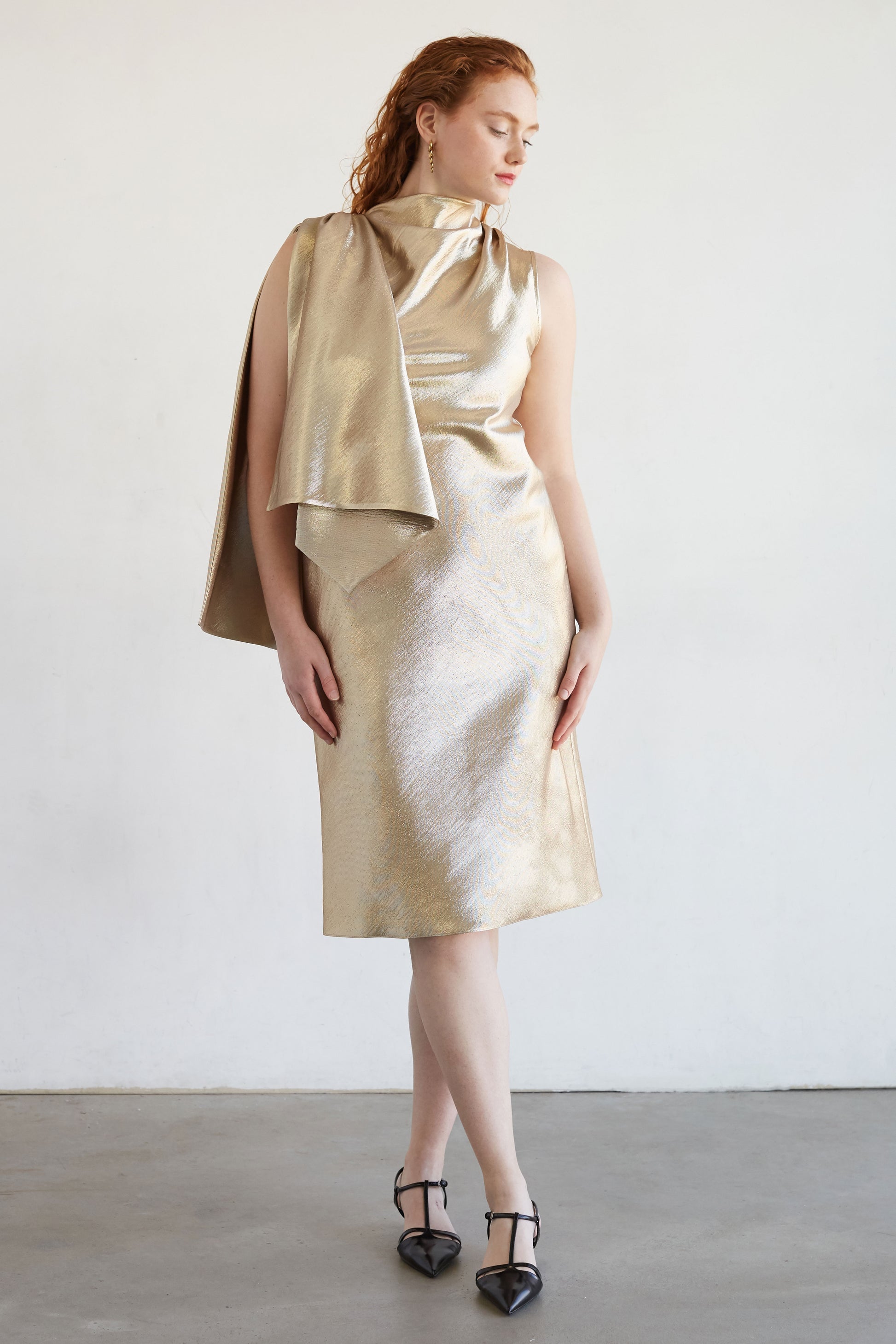
bias cut dress sewing pattern Cowl Me Maybe Top and Dress PDF Pattern – IzzieHey, I just met you and this is drapey. The Cowl Me Maybe Top & Dress is a bias cut beauty that flirts with fluidity and structure all at once. With a high, soft cowl neckline that cascades effortlessly thanks to pleated shoulders, this design brings instant drama without trying too hard. The detachable scarf (secured with three chic little buttons) lets you change your look faster than a quick text. Wrap it, drape it, or skip it entirely! Designed
Hey, I just met you...and this is drapey.
The Cowl Me Maybe Top & Dress is a bias-cut beauty that flirts with fluidity and structure all at once. With a high, soft cowl neckline that cascades effortlessly thanks to pleated shoulders, this design brings instant drama without trying too hard. The detachable scarf (secured with three chic little buttons) lets you change your look faster than a quick text. Wrap it, drape it, or skip it entirely! Designed for the bias cut's signature body-skimming fit, the Cowl Me Maybe design glides over curves with ease, finished with subtle back darts for that just-right shape. Whether you go for the top or the full-length dress, this piece will have you whispering, "Here's my number...so, call me maybe?"
More of a visual learner? Get this PDF pattern for $10 with your purchase of the Cowl Me Maybe Virtual Sewing Workshop
SKILLS
- Cutting Fabric on the Bias
- French Seams
- How To Make Continuous Bias Tape
- Bias Binding
- Sewing Darts & Pleats
- Sewing a Baby Hem
- Creating a Cowl Neckline
- Working with Bias Cut Fabric
PATTERN DETAILS
- Purchase includes a digital pattern file with sizes 0-18 B-Cup size range and 14-32 D-Cup size range
- Skill level: Confident Beginner
- PDF pattern includes illustrated instruction document, A0 copy shop files, print at home files prepared for A4 & letter size paper, and projector files.
- Virtual Sewing Workshop available here
MATERIALS NEEDED
- Self fabric (your main fabric)
- Matching all-purpose thread to your fabric
- 3x 3/8" (1cm) (15L) Buttons - dome shaped self-covered buttons recommended, any button with a shank is recommended, but any button you prefer will work!
- 1/4" (6mm) Bias Cut Fusible Interfacing Tape - tape is great, but scrap fusible interfacing will work as well!
- 1/4" (6mm) Straight Grain Fusible Interfacing Tape - tape is great, but scrap fusible interfacing will work as well!
Optional:
- Tissue Paper - For cutting out slippery fabric on the bias, it is recommended to create a paper sandwich around your fabric to help with cutting accurately!
- Ban-rol - Highly recommended for hemming your garment with ease and accuracy, creating a super small baby hem. Get your hands on 3-5 yards/meters and you'll be set for a very long time!
- Readymade Bias Tape - 1/2" (13mm) single fold bias tape (If you do not want to make your own)
***For the Cowl Me Maybe Top & Dress pattern, the method used for creating a bias binding results in an exposed bias bound edge. This means that whatever fabric you choose to use for your bias binding will be seen along the armhole edges and back neckline in the form of a tiny 1/4" (6mm) finished bias bound seam. There are instructions included for making your own continuous bias tape and the fabric yields include enough yardage for making bias tape out of your self fabric. You can always switch out the exposed bias binding for your own favorite bias binding method, if you wish!
FABRIC REQUIREMENTS
The Cowl Me Maybe Top & Dress is designed for light to medium weight woven fabrics, cut on the bias. When a fabric is cut on the bias, a natural stretch is born. To determine if your fabric is suitable for this design, play with it draping on a 45-degree angle! How does it hang? Does it have a nice gentle stretch when pulled across the bias? You want to choose a fabric that hangs nicely when lifted from the corner, creating a handkerchief appearance.
A wide range of materials can work for the Cowl Me Maybe Top & Dress. Use a silk satin for the ultimate luxurious garment or choose an airy cotton or linen for a daytime look with the same class and sophistication. Fabrics with more weight will drape heavier around the body, while fabrics that are lighter weight will create more of a floaty-ness around the body. A crepe or a handwashed linen could provide a nice medium weight option, while a silk chiffon, rayon challis or a handwoven cotton batiste could create a beautiful light weight look.
Your fabric choice plays a huge role in how this garment fits. Fabrics with excellent drape and a soft stretch when tugged across the bias will result in a comfortable, easeful garment. While fabrics with a stiffer drape and less stretch when tugged across the bias may result in a snug fit and you may even wish to size up.
If you choose to make the pattern in a printed fabric or a fabric that looks different on the front & back, then you may want to plan on lining the scarf. Just keep in mind the fabric yields are higher for the lined version! Also, keep in mind that doubling your fabric for the scarf creates a heavier weight scarf all around. So, try to keep your fabric in the lightweight range if you plan to double up your scarf, below 7oz or 240gsm in weight is a good benchmark.
Due to the shape of the #1 Front piece, there is a fabric width restriction for View A. Please read the below charts & notes carefully when determining how much fabric yardage is required for your chosen view and size.
FIT RECOMMENDATIONS
The Cowl Me Maybe Top & Dress are intended to fit smoothly around the body. Due to the nature of bias-cut garments, the drape of your fabric takes care of quite a lot when it comes to fit! The bust area is the most fitted area of the garment and requires the most attention when it comes to size selection and sewing construction. The B-Cup is dart-less and drapes gently across the front bust section of the body, fitted through armscye and side seam shaping. The D-Cup includes side seam darts allowing for a better fit across the front bust, while maintaining the original design intent. The cowl neck is designed to hit high up on the neck almost creating a mock neck appearance. There are two pleats on either shoulder seam which gently fall into the draped area of the high chest. The cowl neck facing is built on so that it is invisible and effortlessly covers the backside of your fabric. In order for this design to be a casual pull-over-the-head style, the back neckline includes a deeper scooped curve. The bias-cut fabric should allow the neckline opening to gently stretch as you pull this garment on overhead but keep this in mind as you select your size and determine pattern adjustments you may need. (Big head? More braincells? You may want to scoop the back neckline even further down to accommodate your brilliance.) With the full coverage of the shoulders and armscye, wearing a traditional bra should be no problem at all with this design. The back includes two double pointed darts to provide a beautifully fitted waist section and creating a perfect place to adjust if needed. You may choose to eliminate or reduce the size of the back darts if you desire a bit more ease through the back body. The scarf is constructed of a front and back piece, with the back piece hanging much longer than the front and intended to match in length when wrapped around to the front body.
The garment is not meant to be fitted snuggly, nor is it meant to be loose. It is meant to casually skim around the body, which is easy with the right fabric cut on the bias!
SIZE GUIDE
Choose your size based on your high bust & full bust measurement. The bust area is the most fitted part of the garment. If you fall across multiple sizes, you may find it beneficial to grade between sizes for the waist and hip area. Remember this is a bias cut garment which means it will gently wrap around your body as gravity pulls it down! So you may not need to get your waist and hip measurements quite as spot on as with a garment cut on the straight grain. Compare your personal measurements to the finished garment measurements to determine your desired amount of ease. See additional fit recommendations and pattern adjustments within the instructions.
TECHNICAL SKETCH
Shipping Notes
- Free Standard Shipping on $100+ Orders to the USA.
- Except Preorder products are shipped in 48 hours.
- Delivery to the USA:
- Standard Shipping : 3-10 business days
- If time is of the essence, please consider selecting expedited delivery for faster service.
Exchange/Return Notes
- We offer a 30-day return/exchange service after receiving.
- Final sale items are not eligible for returns or exchanges.
- To process your return/exchange, please contact us at [email protected]
- Please click here for more details>>> Return & Exchange Policy